Delving into Financial freedom and the FIRE (Financial Independence, Retire Early) movement, this introduction immerses readers in a unique and compelling narrative, with personal blog style that is both engaging and thought-provoking from the very first sentence.
When it comes to achieving financial freedom and embracing the FIRE (Financial Independence, Retire Early) movement, it’s all about paving your path to a life of independence and early retirement. Let’s explore the strategies, mentors, prosperity paths, capital craft, financial institutions, business finance strategies, and focus finance that play crucial roles in this journey towards financial liberation.
Financial Freedom
Achieving financial freedom is a goal that many individuals strive for in order to gain control over their financial situation and live life on their own terms. It involves having enough passive income to cover all expenses and being free from the constraints of traditional employment.
Strategies to Achieve Financial Freedom
- Save and Invest Wisely: Building a strong savings habit and investing in assets that generate passive income are key steps towards financial freedom.
- Reduce Debt: Paying off high-interest debt can free up more money to put towards investments and savings.
- Create Multiple Income Streams: Diversifying income sources can provide stability and increase overall cash flow.
- Live Below Your Means: Practicing frugality and avoiding unnecessary expenses can accelerate the path to financial freedom.
Benefits of Attaining Financial Freedom
- Quality of Life: Financial freedom allows individuals to pursue their passions, travel, and spend time with loved ones without being tied to a 9-5 job.
- Peace of Mind: Knowing that one’s financial future is secure can reduce stress and anxiety, leading to a greater sense of well-being.
- Flexibility: With financial freedom, individuals have the flexibility to make choices based on what truly matters to them, rather than financial constraints.
Money Mentors
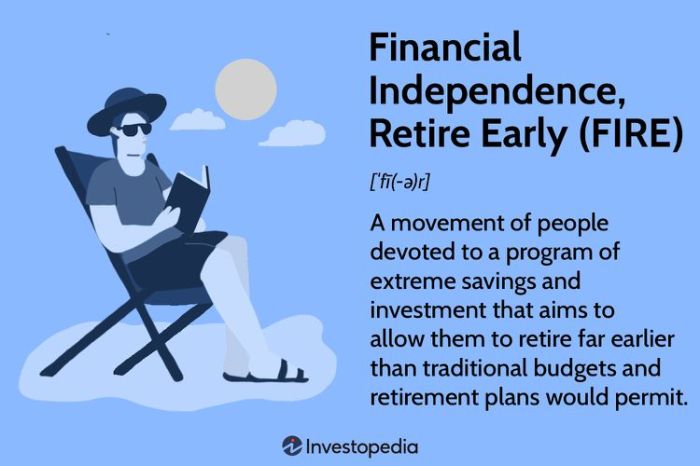
Having a money mentor can play a crucial role in guiding individuals towards financial independence. Money mentors are experienced individuals who provide guidance, advice, and support to help others achieve their financial goals. They often share personal experiences, insights, and strategies that have helped them succeed in building wealth and achieving financial freedom.
Examples of Famous Money Mentors and Their Philosophies
- 1. Warren Buffett: Known as one of the most successful investors of all time, Warren Buffett is a prominent money mentor who advocates for long-term investing, value investing, and patience in financial decision-making.
- 2. Suze Orman: A well-known personal finance expert, Suze Orman emphasizes the importance of financial literacy, smart money management, and living below your means to achieve financial security.
- 3. Dave Ramsey: Renowned for his practical financial advice, Dave Ramsey promotes debt-free living, budgeting, emergency funds, and investing for the long term to attain financial stability.
Having a money mentor can positively impact one’s financial journey in various ways. They can provide valuable insights, offer practical advice, and help individuals avoid common financial pitfalls. Money mentors can also serve as a source of motivation, accountability, and encouragement, keeping individuals focused on their financial goals and guiding them towards making wise financial decisions.
By learning from the experiences and expertise of money mentors, individuals can accelerate their path towards financial independence and achieve greater success in managing their finances.
Prosperity Path
Creating a prosperity path towards financial independence involves setting clear goals and milestones to guide your journey. By establishing a roadmap for your financial future, you can take intentional steps to achieve the freedom and security you desire.To design your own prosperity path, consider the following steps:
Setting Financial Goals
- Start by defining your long-term financial objectives, such as retiring early, purchasing a home, or traveling the world.
- Break down these goals into smaller, achievable milestones to track your progress along the way.
- Consider both short-term and long-term goals to ensure a balanced approach to wealth accumulation.
Creating a Budget and Savings Plan
- Evaluate your current spending habits and identify areas where you can cut back to increase your savings rate.
- Establish a budget that aligns with your financial goals and helps you prioritize your spending.
- Automate your savings by setting up regular transfers to your savings or investment accounts.
Investing for the Future
- Educate yourself on different investment options, such as stocks, bonds, real estate, and retirement accounts.
- Diversify your investment portfolio to reduce risk and maximize potential returns over time.
- Monitor your investments regularly and make adjustments as needed to stay on track towards your financial goals.
Seeking Professional Guidance
- Consider working with a financial advisor or mentor who can provide personalized guidance based on your unique financial situation.
- Attend workshops, seminars, or online courses to expand your financial knowledge and skills.
- Join a community of like-minded individuals pursuing financial independence to share experiences and learn from one another.
Capital Craft
Capital craft refers to the art and skill of effectively managing and growing one’s financial capital to achieve long-term wealth accumulation and financial freedom. It involves making strategic decisions regarding investments, savings, and spending habits to maximize returns and minimize risks.
Effective Capital Crafting Techniques
Implementing the following techniques can greatly contribute to long-term financial success:
- Diversification: Spread investments across different asset classes to reduce risk.
- Compound Interest: Reinvesting earnings to generate additional income over time.
- Budgeting: Tracking expenses and setting financial goals to control spending.
- Continuous Learning: Staying informed about financial markets and trends to make informed decisions.
- Risk Management: Assessing and mitigating potential risks associated with investments.
Improving Capital Craft Skills
Individuals can enhance their capital craft skills by:
- Seeking Financial Education: Enrolling in courses or workshops to improve financial literacy.
- Setting Clear Goals: Establishing specific financial goals and creating a plan to achieve them.
- Seeking Guidance: Consulting with financial advisors or mentors for personalized advice.
- Practicing Discipline: Maintaining consistent saving and investing habits to build wealth over time.
- Evaluating Performance: Regularly reviewing financial decisions and adjusting strategies as needed.
Financial Institution: Financial Freedom And The FIRE (Financial Independence, Retire Early) Movement
Financial institutions play a crucial role in supporting individuals on their journey to financial independence. They offer a wide range of services and products designed to help customers achieve their financial goals and secure their future.
Services and Products Offered
Financial institutions provide a variety of services such as savings accounts, investment opportunities, retirement planning, loans, and financial advisory services. These offerings are tailored to meet the diverse needs of their customers and assist them in building wealth over time.
- Savings Accounts: Financial institutions offer savings accounts with competitive interest rates to help individuals grow their money safely.
- Investment Opportunities: Through mutual funds, stocks, bonds, and other investment vehicles, individuals can grow their wealth and achieve financial goals.
- Retirement Planning: Financial institutions provide retirement planning services to help customers prepare for a secure and comfortable retirement.
- Loans: Whether it’s for a home, car, or education, financial institutions offer various loan options to help individuals achieve their financial aspirations.
- Financial Advisory Services: Customers can benefit from professional financial advice on budgeting, saving, investing, and overall financial planning.
Partnering with a financial institution can provide individuals with access to a wide range of financial tools and resources to help them achieve their goals effectively.
Benefits and Drawbacks
Partnering with a financial institution for financial guidance has its advantages and potential drawbacks. Benefits include access to professional expertise, tailored financial solutions, convenience, and a structured approach to financial planning. However, drawbacks may include fees, conflicts of interest, and potential limitations on product offerings.
- Benefits:
- Expertise: Financial institutions have knowledgeable professionals who can provide valuable advice and guidance.
- Tailored Solutions: Customers can access personalized financial solutions based on their individual goals and risk tolerance.
- Convenience: Services offered by financial institutions make managing finances easier and more efficient.
- Structured Planning: Partnering with a financial institution can help individuals create a solid financial plan and stay on track towards their goals.
- Drawbacks:
- Fees: Some financial institutions may charge fees for their services, which could impact the overall returns on investments.
- Conflicts of Interest: There may be instances where financial institutions prioritize their interests over those of their clients.
- Limited Offerings: Customers may be limited to the financial products and services offered by a particular institution, potentially missing out on better options elsewhere.
Business Finance Strategy
Developing a robust business finance strategy is crucial for entrepreneurs looking to achieve financial independence. By carefully planning and implementing a sound financial plan, businesses can ensure long-term stability and growth. Let’s explore the key elements of a successful business finance strategy.
Financial Goal Setting, Financial freedom and the FIRE (Financial Independence, Retire Early) movement
Setting clear financial goals is the first step in creating a successful business finance strategy. Whether it’s increasing revenue, reducing expenses, or expanding into new markets, having specific and measurable goals will guide your financial decisions and actions.
- Define short-term and long-term financial goals
- Break down goals into manageable milestones
- Regularly review and adjust goals as needed
Budgeting and Forecasting
Budgeting and forecasting are essential components of a solid business finance strategy. By accurately predicting income and expenses, businesses can make informed decisions and allocate resources effectively.
- Create a detailed budget outlining all revenue and expenses
- Regularly monitor financial performance against budget projections
- Use forecasting techniques to anticipate future financial outcomes
Risk Management
Effective risk management is crucial for protecting your business’s financial health. Identifying potential risks and developing strategies to mitigate them can help safeguard your assets and ensure long-term sustainability.
- Conduct a thorough risk assessment to identify potential threats
- Implement risk mitigation strategies to minimize financial losses
- Regularly review and update risk management policies
Focus Finance
In the world of personal finance, having a focus on your financial goals is crucial for achieving success and building wealth. Whether you are working towards financial independence, saving for a big purchase, or planning for retirement, maintaining focus on your objectives is key to reaching them.
Importance of Focus in Financial Goals
When it comes to managing your finances, distractions can often derail your progress. It’s easy to get caught up in the latest trends, market fluctuations, or peer pressure to spend money on things you don’t really need. However, by staying focused on your financial goals, you can resist these distractions and stay on track towards achieving your desired outcomes.
- Avoiding impulsive spending: By keeping your financial goals top of mind, you are less likely to make impulsive purchases that can set you back.
- Prioritizing savings and investments: Focusing on your long-term financial objectives can help you prioritize saving and investing for the future, rather than spending frivolously in the present.
- Maintaining motivation: When you have a clear focus on your financial goals, you are more likely to stay motivated and disciplined in your financial decisions, even when faced with challenges or setbacks.
Tips for Enhancing Focus on Financial Planning
Here are some tips to help you enhance your focus on financial planning and decision-making for better outcomes:
- Create a clear financial plan: Artikel your financial goals, both short-term and long-term, and create a plan to achieve them. Having a roadmap can help you stay focused on what truly matters.
- Avoid comparing yourself to others: Focus on your own financial journey and avoid comparing yourself to others who may have different circumstances or goals. Stay true to your path.
- Regularly review and adjust your goals: Keep track of your progress towards your financial goals and make adjustments as needed. This can help you stay focused and motivated along the way.
Final Thoughts
In conclusion, mastering the concepts of financial freedom and the FIRE movement can lead to a life of abundance, fulfillment, and early retirement. By adopting the right strategies and seeking guidance from mentors, individuals can pave their way to a secure financial future and achieve their dreams of retiring early.
It’s time to take charge of your finances and pave your way to a future of financial independence and early retirement.
Frequently Asked Questions
What is financial freedom?
Financial freedom is the ability to maintain a desired lifestyle without being dependent on a paycheck. It involves having enough savings and investments to cover expenses and achieve financial goals.
How can a money mentor help in achieving financial independence?
A money mentor can provide guidance, support, and expertise in wealth building strategies, helping individuals make informed decisions and stay focused on their financial goals.
What is the significance of setting financial goals along the prosperity path?
Setting financial goals helps individuals track their progress, stay motivated, and make informed decisions to ensure they are on the right path towards financial independence.